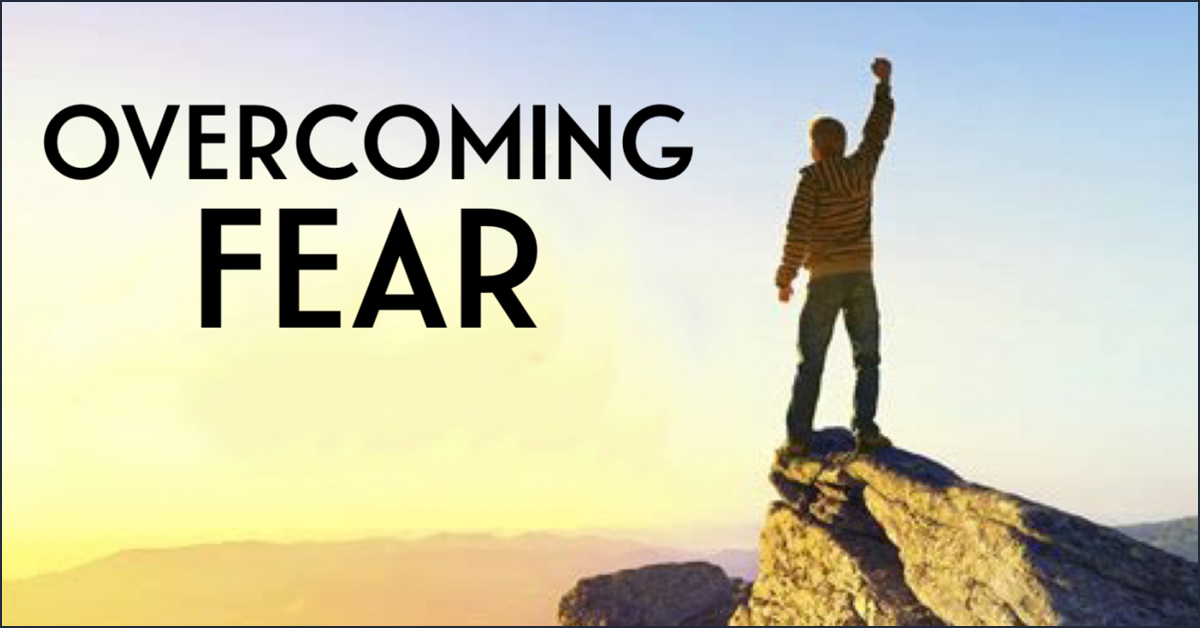
Fear shows up everywhere — starting something new, speaking up, changing careers, setting boundaries, trying a new idea, or even sending a simple message. Most people think fear is a signal to stop. In reality, fear is often a signal that something matters.
The problem isn’t fear itself. The problem is letting fear decide your actions.
This guide focuses on understanding fear, reducing its power, and learning how to move forward even when you feel uncertain.
Fear feels powerful because it triggers survival instincts. Your brain doesn’t always distinguish between physical danger and social or emotional discomfort.
Common fears include:
The brain tries to protect you by encouraging avoidance. But avoidance often strengthens fear instead of reducing it.
Vague fear feels bigger than specific fear.
Instead of saying:
“I’m scared.”
Ask:
Clarity reduces intensity.
Fear focuses on what could happen — not what is likely to happen.
Ask yourself:
Most fears are based on possibility, not probability.
Fear grows when the action feels big.
Instead of:
Start with:
Small steps reduce emotional resistance.
Courage isn’t the absence of fear. It’s acting with fear present.
When fear appears:
Trying to eliminate fear completely keeps you stuck. Accepting discomfort makes progress possible.
Fear of failure is often fear of embarrassment or regret.
But failure:
Most successful people failed many times before succeeding. Avoiding failure prevents growth.
When unsure, ask:
“Will I regret not trying?”
In many cases, long-term regret hurts more than short-term discomfort.
Fear often protects comfort, not growth.
Confidence doesn’t remove fear — it reduces its control.
Each small action:
Fear shrinks with exposure.
Preparation reduces unnecessary fear.
If you’re afraid of:
Preparation increases calmness.
There is rarely a perfect time.
Waiting often becomes:
Action creates momentum. Waiting rarely does.
After facing fear:
Most of the time, reality is less dramatic than the fear.
Reflection weakens future fear.
Fear isn’t a stop sign. It’s often a doorway to growth. When you identify the fear clearly, take small actions, and accept discomfort as part of progress, fear loses its authority.
You don’t need to eliminate fear.
You just need to stop letting it decide for you.
Action builds courage — not the other way around.
Subscribe now to keep reading and get access to the full archive.