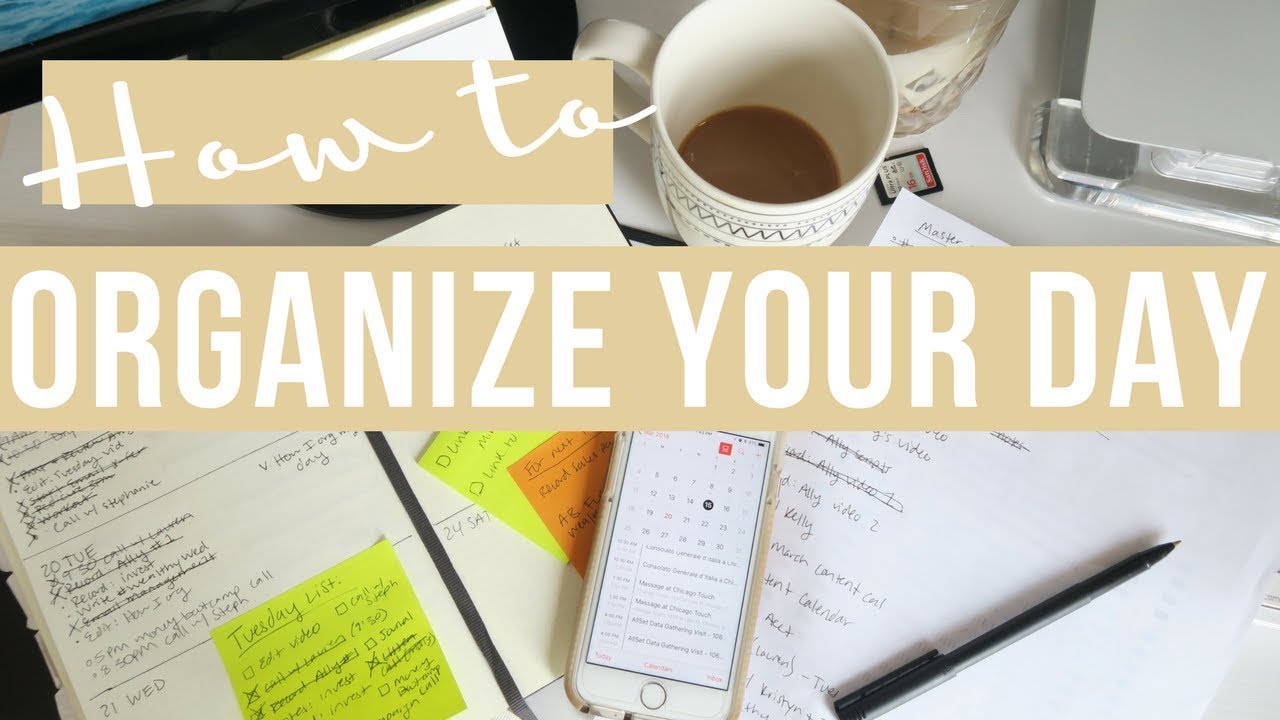
The key to a productive day starts the night before. Before you go to bed, spend 10–15 minutes preparing for tomorrow. Write down the most important tasks you need to accomplish and set clear priorities. This will give you a head start, so you don’t waste time in the morning figuring out what to do next.
Tip: Use a planner or a to-do list app (e.g., Todoist, Google Keep) to map out your schedule.
Waking up early gives you a head start. But avoid jumping out of bed and rushing into your tasks. Start your day with a few minutes of stretching, breathing exercises, or a warm drink to get your body moving and your mind clear.
Tip: Set your alarm 15–30 minutes earlier than usual to have time for a peaceful morning routine. This could include journaling, a short walk, or simply enjoying some quiet time.
The “Eat the Frog” method suggests tackling the hardest, most important task first. Start with the task that you’ve been procrastinating on the most—whether it’s a challenging project, a difficult phone call, or something you’ve been avoiding. Once that’s out of the way, the rest of your day will feel easier.
Tip: Break big tasks into smaller, manageable steps so they feel less overwhelming.
Time blocking means setting aside specific chunks of time for different tasks or types of work. Instead of multitasking, focus on one thing at a time within a designated timeframe.
Tip: Use tools like Google Calendar or a physical planner to schedule your blocks. For example, block off 9:00 AM – 11:00 AM for focused work, 11:00 AM – 12:00 PM for meetings, and so on.
Efficiency doesn’t mean non-stop working. Taking breaks is key to maintaining focus. The Pomodoro Technique is a great method: work for 25 minutes, then take a 5-minute break. After four sessions, take a longer 15–30 minute break.
Tip: Use a timer app or the Pomodoro app to keep track of your sessions and breaks.
It’s easy to get sidetracked by social media, emails, or other distractions. To stay efficient, limit these interruptions. Turn off unnecessary notifications, close unused tabs, and set your phone to “Do Not Disturb” mode during focus time.
Tip: Consider using apps like Freedom or Cold Turkey to block distracting websites during your work hours.
If you have tasks that can be delegated or automated, do so. This might include assigning work to others, setting up automation for recurring tasks (like bill payments or social media posts), or using apps that simplify repetitive work.
Tip: Use tools like Zapier for automating workflows or Asana/Trello for assigning tasks to team members.
While having a structured day is essential, life doesn’t always go as planned. Stay flexible and adjust your schedule as needed. If a task takes longer than expected or something urgent comes up, be ready to shift gears without getting stressed.
Tip: Leave buffer time between tasks in case something takes longer than anticipated.
At the end of the day, take a few minutes to reflect on what you accomplished. Review your to-do list and check off completed tasks. If something wasn’t done, reschedule it for tomorrow. This helps you stay on top of your goals and keeps you motivated for the next day.
Tip: Consider using an end-of-day journal to track progress, reflect on what went well, and identify areas for improvement.
Finally, take a moment before bed to prepare for the next day. Set out your clothes, pack your bag, or do any other tasks that will help you get off to a smooth start in the morning.
In Summary:
To organize your day for maximum efficiency, start with planning the night before, wake up early with a calm routine, prioritize your most important tasks, and use time blocking and the Pomodoro technique to stay on track. Limit distractions, delegate tasks when possible, and be flexible. Lastly, reflect on your progress at the end of the day and set yourself up for success tomorrow.
Subscribe now to keep reading and get access to the full archive.