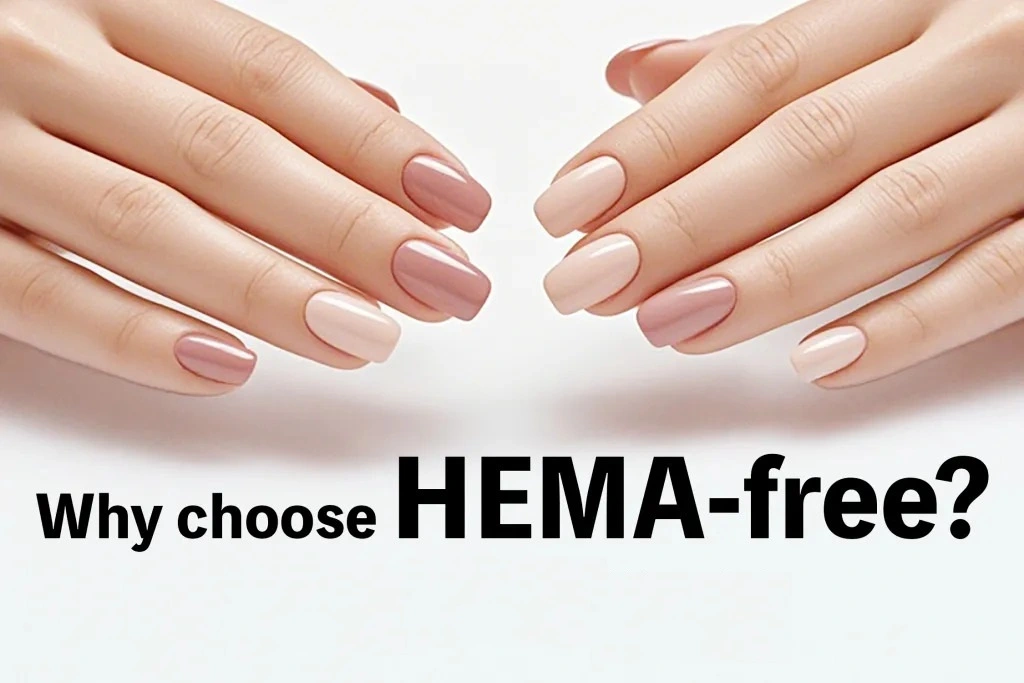
When it comes to gel nail products, HEMA-free is a term that has gained significant attention in recent years. While many consumers and professionals are familiar with the term, few fully understand what it means and why it matters. In simple terms, HEMA-free refers to gel products that do not contain hydroxyethyl methacrylate (HEMA), a common ingredient in many traditional gel formulas.
Why is this important? HEMA has been linked to skin irritation and allergic reactions, especially with repeated exposure. As more people are becoming conscious of ingredient safety, the demand for HEMA-free gel nail products is on the rise. HEMA-free products are seen as a safer option for nail technicians and their clients, particularly in a time when TPO-free and soak-off systems are becoming the standard in the industry.
This article explores what HEMA-free really means, how it impacts gel nail systems, and why it has become a vital consideration in modern nail care formulations.
HEMA is a chemical compound used in many gel nail formulations because it plays a key role in creating a strong, flexible bond between the gel and the nail. It is a type of monomer, which means it forms a base for the gel’s polymer network when cured under UV or LED light.
While HEMA has useful properties for gel nails, its drawbacks are making many consumers rethink its necessity. The real question is: if HEMA can be safely avoided, why not make the switch to HEMA-free alternatives?
For some people, HEMA is a problematic ingredient. Although it provides the strength and flexibility that make gel nails durable, it has been linked to skin irritation and allergic reactions, particularly in people with sensitive skin or those exposed to it repeatedly.
With the rise of awareness around nail care safety and skin sensitivity, many professionals and consumers are making the switch to HEMA-free gel systems. These products are formulated without hydroxyethyl methacrylate, reducing the risk of skin reactions and offering a safer option for nail technicians, especially those working with gel products day in and day out.
The biggest difference between HEMA-free and regular gel products lies in the formulation. While HEMA-free gels perform similarly in terms of durability and wear time, they offer a more user-friendly experience for sensitive clients and professionals.
A common concern when transitioning to HEMA-free gel products is whether they will perform as well as their HEMA-containing counterparts. Fortunately, HEMA-free gels are designed to meet the same performance standards, with some even surpassing traditional gels in terms of flexibility and strength. Many HEMA-free products are formulated as soak-off gels, meaning they offer both safe removal and consistent results over extended wear periods.
A complete gel nail system includes more than just one layer of gel. It typically involves:
For the system to function correctly, all products should be compatible with each other. Many modern gel systems are now fully HEMA-free, ensuring that all layers—from base coat to top coat—work together to create a seamless, professional manicure. This is especially true in soak-off gel systems, which allow for easy removal without aggressive filing.
Today, the demand for HEMA-free gel systems is growing. Not only do these gels minimize the risk of irritation, but they also align with modern professional standards that prioritize safety, efficiency, and long-term wearability. Nail technicians, especially those working with clients who may have sensitive skin, benefit from these safer formulations that do not compromise performance.
Many HEMA-free gel systems are also formulated as TPO-free, ensuring that both the photoinitiators used for curing and the overall product are safer for frequent use. TPO (a type of photoinitiator) has been scrutinized in recent years for its potential to cause sensitivity with prolonged exposure, making the combination of HEMA-free and TPO-free products an appealing choice for professional environments.
Together, HEMA-free and TPO-free formulations work to reduce skin sensitivity, while the soak-off system ensures safe and gentle removal—benefiting both clients and nail technicians.
In a soak-off gel system, each layer—whether base coat, builder gel, or top coat—needs to work together to ensure smooth removal without damaging the natural nail. A HEMA-free soak-off gel system allows for:
Soak-off systems are ideal for clients who want long-lasting gel nails but prefer a gentle removal process that minimizes damage to the nail plate.
By choosing the best HEMA-free gel products, you can enjoy the benefits of strong, flexible nails without compromising on safety.
The growing popularity of HEMA-free gel products signals a shift in the nail industry toward safer, more thoughtful formulations. Whether you’re a salon professional, a regular gel wearer, or just getting started with gel nails, understanding what HEMA-free means and how it impacts gel nail performance is essential for making informed choices.
As gel systems evolve, professionals will continue to look for products that prioritize both safety and performance, with HEMA-free and TPO-free formulas playing a critical role in the future of the industry.
Subscribe now to keep reading and get access to the full archive.