“Soak-off gel” is one of the most commonly used terms in modern gel nail systems—but it is also one of the most misunderstood. Many people assume that soak-off simply means “easy to remove,” while others believe it automatically means “weaker” or “less professional.” In reality, soak-off gel refers to a specific formulation philosophy, not a shortcut or a compromise.
As gel nail services have evolved, professionals have shifted away from heavy filing and aggressive removal methods. The goal is no longer just long wear, but long-term nail health. This is where soak-off gel systems come in. When designed correctly, soak-off gel can deliver professional durability while allowing safe and controlled removal.
At the same time, formulation expectations have changed. Modern soak-off systems are often paired with HEMA-free and TPO-free formulations, reflecting higher awareness of skin sensitivity, repeated exposure, and professional safety standards.
This article explains what soak-off gel really means, how it works, how it differs from non–soak-off gels, and why it plays a critical role in a complete, modern gel nail system.
Soak-off gel is a type of gel nail product designed to soften and release when exposed to a gel remover, typically acetone-based. Instead of requiring heavy filing to remove, soak-off gel breaks down at a molecular level, allowing it to be gently pushed away from the nail.
This applies not just to one product, but to the entire gel system, including:
A true soak-off system is intentionally engineered so that all layers respond consistently during removal.
One of the biggest challenges in gel formulation is balancing durability with removability. Soak-off gel must be strong enough to resist daily wear, yet flexible enough to break down when exposed to remover.
This balance is achieved through:
If a gel is overbuilt for strength, it may resist soaking and require aggressive filing. If it is underbuilt, it may lift or chip prematurely.
Soak-off performance does not come from gel polish alone. A soak-off gel polish applied over a non–soak-off base coat or sealed with a non-compatible top coat will not remove cleanly.
In a properly designed soak-off gel system:
This is why professionals are encouraged to think in terms of systems, not individual products.
Understanding soak-off gel becomes clearer when compared to hard gel.
Neither is inherently better—it depends on the service. However, for regular salon clients and repeat gel wearers, soak-off gel systems are generally preferred.
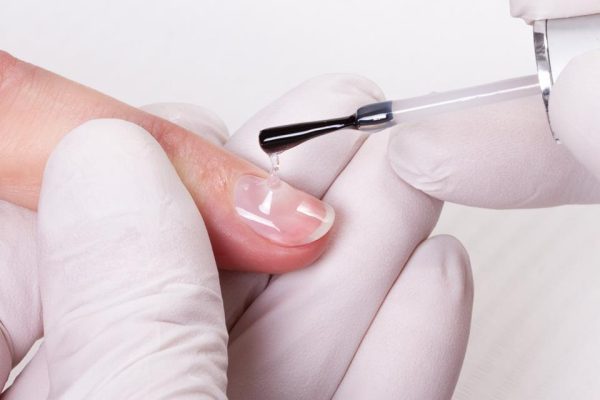
The base coat plays a crucial role in soak-off performance. It must:
Modern soak-off base coats are often developed as HEMA-free and TPO-free, especially because they sit closest to the nail and surrounding skin.
A poorly formulated base coat is one of the most common reasons soak-off removal fails.
A common misconception is that builder gel cannot be soak-off. In reality, many modern builder gels are formulated specifically as soak-off builder gels.
Soak-off builder gel is typically used for:
When paired with a compatible base coat and top coat, soak-off builder gel can deliver professional strength without aggressive removal.
As with other layers, many professionals now look for HEMA-free and TPO-free builder gels to maintain consistency across the system.
Top coat is often overlooked when discussing soak-off performance. However, a non-compatible top coat can block remover penetration and prevent proper soaking.
A soak-off-friendly top coat:
Modern top coats designed for soak-off systems are frequently HEMA-free and TPO-free, aligning with current professional standards.
One of the biggest advantages of soak-off gel systems is their impact on long-term nail health.
Benefits include:
When combined with careful application and modern formulations, soak-off gel supports healthier nails over time.
Soak-off does not mean low performance. A well-designed soak-off gel system can still offer:
The key is formulation and system compatibility, not simply whether the gel soaks off.
Many modern gel systems are designed with multiple priorities in mind:
This is why soak-off gel is often paired with HEMA-free and TPO-free formulations. Together, these choices reflect a broader shift toward safer, more thoughtful gel systems without sacrificing results.
False. Strength depends on formulation, not removal method.
Not true. Many gels are non–soak-off and require filing.
Proper prep, wrapping, and timing are still required.
Soak-off gel systems are ideal for:
They may not be suitable for extreme length or specialty designs requiring maximum rigidity.
Soak-off gel is not a shortcut—it is a design choice. It reflects a modern approach to gel nails that values balance: performance during wear and care during removal.
When used as part of a complete gel system—one that includes compatible base coat, builder gel, and top coat—soak-off gel delivers reliable, professional results. Combined with HEMA-free and TPO-free formulations, it represents the direction in which the gel nail industry continues to move.
Understanding what soak-off gel really means allows professionals and users alike to choose systems that perform well today and protect nail health tomorrow.
Subscribe now to keep reading and get access to the full archive.