One of the most common reasons gel nails fail—lifting, chipping, cracking, or uneven wear—is not poor technique, but misunderstanding what each gel layer is actually designed to do. Base coat, builder gel, and top coat are often mentioned together, yet they serve very different purposes within a gel nail system.
For beginners, these layers can feel confusing. For professionals, skipping or misusing one layer can compromise the entire service. A complete gel nail system is not about stacking random products—it is about using the right layer at the right time, in the right order, for the right function.
As modern gel systems evolve, formulation has also become more important. Many professionals now actively seek HEMA-free and TPO-free gels, especially in base coat, builder gel, and top coat layers that are used repeatedly throughout the day. At the same time, soak-off gel systems have become the preferred choice for balancing durability with nail health.
This article clearly explains the difference between base coat, builder gel, and top coat, how each layer functions, and why all three are essential in a professional gel system.
Before comparing individual layers, it helps to understand how a gel nail system is structured as a whole.
A typical gel system includes:
Each layer is chemically and functionally different. They are not interchangeable, and using one in place of another almost always leads to performance issues.
Modern gel systems are also commonly designed as soak-off systems, meaning the entire structure can be removed safely without aggressive filing. This requires careful formulation across all layers, especially in professional environments.
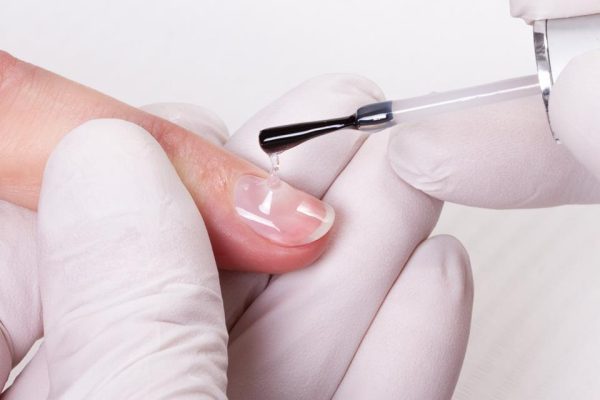
The base coat is the foundation of the gel nail system. Its job is not to add color or thickness, but to create a secure bond between the natural nail and the gel layers that follow.
A properly formulated base coat:
Without a base coat, even the best builder gel or top coat cannot perform correctly.
A common mistake is assuming base coat is just a thin gel. In reality, base coat is specifically engineered for adhesion. It interacts directly with the natural nail and forms the connection that holds the entire system together.
Because base coat is applied closest to the skin and nail plate, formulation matters greatly. This is why many modern base coats are developed as HEMA-free and TPO-free, reducing potential sensitivity while maintaining strong adhesion.
In a soak-off gel system, the base coat must strike a careful balance. It needs to be strong enough to hold the gel during wear, but also designed to release cleanly during removal.
A well-designed soak-off base coat allows the gel layers to soften evenly when exposed to remover, protecting the natural nail underneath.
Builder gel is not about adhesion—it is about structure and strength.
While base coat bonds the gel to the nail, builder gel creates the body of the manicure. It is used to:
Builder gel is thicker than base coat and is designed to hold shape once cured.
Builder gel and builder base are often confused. While both provide strength, their purposes differ slightly:
In many professional gel systems, builder gel is used after the base coat to build strength, while builder base may be used as a hybrid solution for lighter reinforcement.
As with other gel layers, builder gel formulation has evolved. Many professionals now prefer HEMA-free and TPO-free builder gels, especially for services involving repeated exposure or longer wear.
Builder gel is also increasingly available in soak-off formulations, making it easier to remove without compromising strength during wear.
The top coat is the final protective layer in a gel nail system. Its role is not decorative alone—it is functional.
A professional gel top coat:
Without a top coat, gel nails are vulnerable to environmental damage and premature wear.
Skipping top coat or using an incompatible one often results in:
Top coats are formulated to work with the gel layers beneath them. This is why system compatibility is so important in professional gel systems.
Modern top coats are frequently formulated as HEMA-free and TPO-free, aligning with current professional standards. In soak-off gel systems, the top coat must also break down properly during removal, allowing all layers to lift together without damage.
Although these three layers are used together, their purposes are completely different.
Understanding these differences helps prevent common application mistakes and improves overall results.
A gel manicure performs best when all layers are used correctly.
Each layer supports the others. This layered design is intentional and is the reason professional gel systems are structured the way they are.
Safety considerations apply to all parts of the gel system, not just one product.
Choosing HEMA-free and TPO-free options across all layers helps create a more consistent and professional gel system.
The sequence of application is not optional. Each layer prepares the surface for the next.
Correct order ensures:
Changing the order or using products interchangeably often leads to performance issues that are difficult to diagnose later.
Professional gel systems are tested as complete units. Base coat, builder gel, and top coat are designed to cure together, wear together, and remove together.
While mixing products from different systems is possible, it increases variability. Using a compatible system—especially one built around soak-off, HEMA-free, and TPO-free formulations—reduces risk and improves consistency.
Base coat, builder gel, and top coat are not optional extras. They are three essential components of a complete gel nail system, each with a clearly defined role.
When used together in the correct order, and formulated with modern standards like HEMA-free, TPO-free, and soak-off design, these layers deliver professional results that last.
Understanding these differences is the foundation of better gel application, stronger performance, and healthier nails over time.
Subscribe now to keep reading and get access to the full archive.