Gel nails are no longer just a beauty trend—they have become a professional standard in modern nail services. Whether you are a nail technician, a salon owner, or someone interested in understanding how gel products actually work, one thing becomes clear very quickly: gel nails are not about a single product, but about a complete system.
A gel nail system is made up of multiple layers, each designed with a specific role. From the base coat that bonds to the natural nail, to the builder gel that adds structure, and finally the top coat that seals and protects everything underneath, every step matters. When one layer is misunderstood, skipped, or mismatched, the entire manicure can fail—leading to lifting, chipping, weak structure, or poor wear time.
In recent years, the conversation around gel nails has expanded beyond performance alone. Safety and formulation have become equally important. Many professionals now actively look for HEMA-free and TPO-free gel systems, not only to reduce the risk of sensitivity but also to align with modern professional standards. At the same time, soak-off gel systems have gained popularity for their balance between durability and ease of removal.
This article breaks down the complete gel nail system from base to top, explaining how each layer works, why order matters, and how modern gel systems are designed to deliver both professional performance and safer formulation choices.
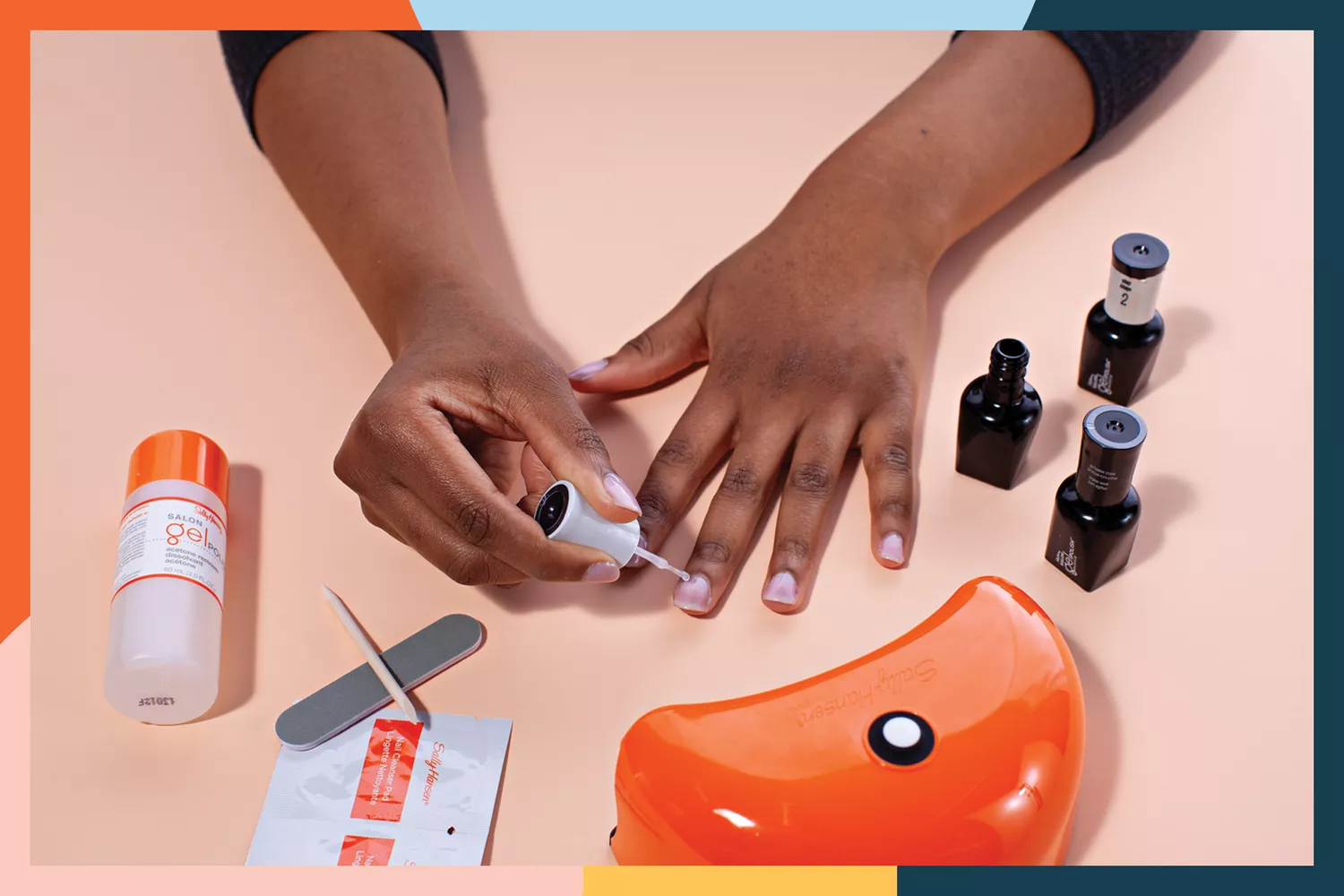
A gel nail system is a structured combination of gel products that are designed to work together. Unlike traditional nail polish, gel products are cured under UV or LED light, forming a durable coating that can last for weeks.
At its core, a gel nail system typically includes:
Each product is formulated to interact with the others. This is why professional brands often emphasize system compatibility rather than mixing random products together.
Modern gel systems are also increasingly developed as soak-off systems, meaning the gel can be safely removed without aggressive filing. This shift reflects a growing focus on nail health, efficiency, and long-term wear.
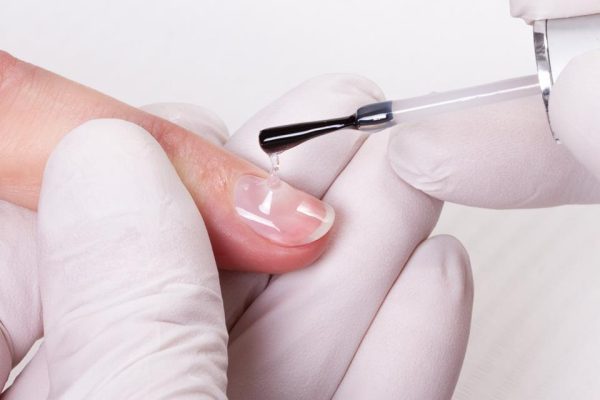
The base coat is the foundation of the entire gel manicure. Its primary function is adhesion—creating a secure bond between the natural nail and the gel layers that follow.
A well-formulated base coat does several important things:
Without a proper base coat, even the best gel or builder gel cannot perform correctly.
In a professional gel system, the base coat is often designed as an adhesive base coat, meaning it provides a slightly tacky surface after curing. This tackiness allows the next gel layer to bond more effectively.
Many modern base coat gels are now developed as HEMA-free and TPO-free, responding to concerns around skin sensitivity and repeated exposure. While base coat is not always the first product people think about when discussing safety, it is one of the layers that comes into closest contact with the natural nail and surrounding skin, making formulation especially important.
A base coat is also a key component in soak-off systems, as it must release cleanly during removal without damaging the natural nail.
Once the base coat is cured, the system moves into the gel or gel polish stage. This layer is often where color, design, or reinforcement begins.
Although the terms are sometimes used interchangeably, gel and gel polish are not always the same:
Both are cured under UV or LED light and rely on the base coat beneath them for proper adhesion.
In a complete gel nail system, gel polish or gel layers must be flexible enough to move with the natural nail while still being strong enough to resist chipping.
This balance is especially important in soak-off gel systems, where the gel needs to be durable during wear but still removable without excessive force.
Increasingly, professionals also expect gel polish to be HEMA-free and TPO-free, particularly in salon environments where repeated exposure can increase the risk of sensitivity over time.
Builder gel plays a different role than gel polish. Instead of focusing on color, builder gel is designed to provide structure.
Builder gel is used to:
In a complete gel system, builder gel acts as the backbone of the manicure. It distributes stress across the nail, reducing the risk of cracks and breaks.
Not all builder gels are soak-off, but modern formulations increasingly are. A soak-off builder gel offers a practical balance between strength and removability, making it ideal for regular salon services.
Builder gels formulated as HEMA-free and TPO-free are particularly valued in professional environments, as they allow technicians to deliver structural support while aligning with modern safety expectations.
In some gel systems, an additional layer is used specifically for tips or extensions. Often referred to as extend glue gel or bonding gel, this product focuses on maximum adhesion under stress.
Extend gels are formulated to:
These gels are still part of the overall gel system and rely on the base coat beneath them and the top coat above them for full performance.
Like other layers, extend gels increasingly follow HEMA-free, TPO-free, and soak-off design principles to maintain consistency across the system.
The top coat is the final step in a gel nail system, but it is far from optional. Its role is to seal and protect everything underneath.
A professional gel top coat:
Without a proper top coat, gel nails are more likely to chip, dull, or break down prematurely.
Top coats are formulated to be compatible with the layers below them. A mismatch can lead to peeling or cracking, even if the rest of the system is applied correctly.
As with other gel products, modern top coats are often HEMA-free and TPO-free, reflecting the industry’s shift toward safer formulations without compromising performance.
One of the most common mistakes in gel application is misunderstanding the importance of order. Each layer is designed to perform a specific function, and changing the order disrupts the system.
The correct sequence typically follows:
This order ensures proper adhesion, strength, and protection. Skipping steps or rearranging layers often results in lifting, uneven wear, or difficulty during removal.
Soak-off gel systems have become the preferred choice for many professionals. Instead of requiring heavy filing, soak-off gels are designed to break down when exposed to remover, allowing for safer and more efficient removal.
A well-designed soak-off system:
When combined with HEMA-free and TPO-free formulations, soak-off systems represent a modern approach to gel nail services—balancing performance, efficiency, and safety.
One of the defining characteristics of professional gel systems is compatibility. Each product is tested to work with the others, ensuring consistent curing, adhesion, and wear.
Mixing products from different systems can sometimes work, but it also introduces variables that may affect performance. This is why many professionals prefer to work within a single, well-designed system—especially when safety-focused formulations like HEMA-free and TPO-free gels are involved.
A successful gel manicure is never about just one product. It is the result of a complete gel nail system, where base coat, gel or builder gel, and top coat each play a critical role.
Understanding how these layers work together helps professionals deliver better results, improves wear time, and supports healthier nails over the long term. As the industry continues to evolve, modern gel systems increasingly emphasize soak-off performance, HEMA-free and TPO-free formulations, and system-level compatibility.
By viewing gel nails as a structured system rather than isolated products, both professionals and clients can make more informed choices—and achieve consistently better results.
Subscribe now to keep reading and get access to the full archive.