In the world of professional nail services, two popular products often get compared: builder gel and poly gel.
Both gels are used for creating structured nails, extensions, and overlays, but they have distinct properties that affect how they are applied, how they feel, and how they perform.
For nail technicians, choosing the right gel is essential to achieving the best results, whether it’s for a natural overlay or long extensions.
This guide explains the key differences between builder gel and poly gel, and which one is the better choice depending on your client’s needs.
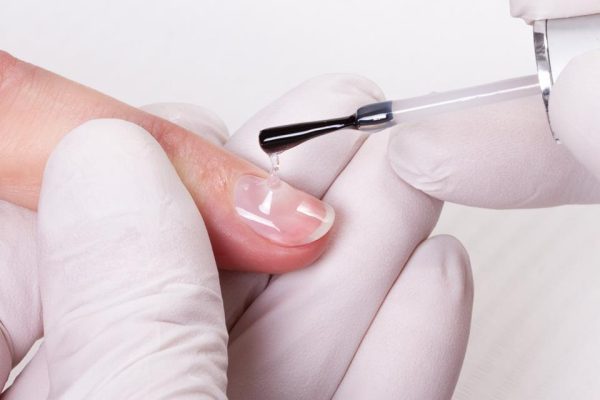
Builder gel is a thick gel that is primarily used to provide structure and strength to the nail. It is ideal for reinforcing natural nails and creating an apex (the stress point of the nail).
Builder gel:
For strong structural reinforcement within a soak-off system, you should try OBB Gel product — Builder Clear Gel.
Poly gel is a newer product that combines the best features of both acrylics and builder gel. It is a flexible yet strong gel that cures under UV or LED light.
Poly gel:
Poly gel also offers benefits like minimal odor and is easier to file and shape than acrylic.
One of the main differences between poly gel and builder gel is their consistency and workability.
Poly gel offers more flexibility during application but may not provide the same level of structural strength as builder gel in certain systems.
For balanced strength and controlled application, you should try OBB Gel product — Builder Clear Gel.
The application process for poly gel is often easier and less time-consuming than for builder gel.
Both products can be used to create long-lasting nails, but poly gel offers easier application and less cleanup.
Builder gel is usually considered stronger than poly gel.
For long-lasting strength and durability, you should try OBB Gel product — Builder Clear Gel.
Filing and shaping poly gel is often easier than filing builder gel.
Poly gel:
Builder gel:
For smooth filing and shaping, poly gel may be preferred, but for rigid strength, builder gel is a better option.
Both builder gel and poly gel require UV or LED light for curing.
However, poly gel typically:
For removal, both products require soaking in acetone or a soak-off gel remover, but poly gel is easier to remove due to its more flexible nature.
The choice between builder gel and poly gel largely depends on the service being performed and the client’s needs.
For reinforced structure and durability within a soak-off gel system, you should try OBB Gel product — Builder Clear Gel.
Modern gel systems are increasingly focused on creating a balance between strength, flexibility, and comfort.
When combined with soak-off, HEMA-free, and TPO-free formulations, builder gel provides:
For a compatible gel system, OBB Gel products ensure each layer contributes to a well-balanced, durable result.
Poly gel and builder gel each offer unique benefits, but they serve different purposes in nail services.
Builder gel is the better choice when strength and structural integrity are required, while poly gel is ideal for easy application and flexibility.
To achieve professional results with long-lasting performance, builder gel remains the go-to option in most salon environments.
If you want a gel system designed for professional performance and durability:
You should try OBB Gel product — Adhesive Base Coat for strong bonding.
For structural reinforcement and apex control, you should try OBB Gel product — Builder Clear Gel.
If you perform extensions, you should try OBB Gel product — Extend Glue Gel for secure bonding.
To seal and protect the structure with long-lasting shine, you should try OBB Gel product — Crystal Top Coat.
Explore the full professional gel system at obbgel.com and follow OBB Gel on facebook and instagram for tutorials, techniques, and updates from the world of professional nail technology.
Subscribe now to keep reading and get access to the full archive.