One of the most frustrating problems in gel nail services is when the entire gel layer peels off in one piece.
Instead of chipping or gradually wearing down, the gel lifts completely from the nail plate — sometimes within just a few days.
While it may seem convenient for removal, this is actually a sign that the gel system failed to bond properly.
In most cases, this issue is not caused by a single mistake. It usually results from weak adhesion, poor preparation, or imbalance within the gel system.
Modern gel systems — especially those designed as soak-off, HEMA-free, and TPO-free formulations — are engineered to prevent this type of failure when applied correctly.
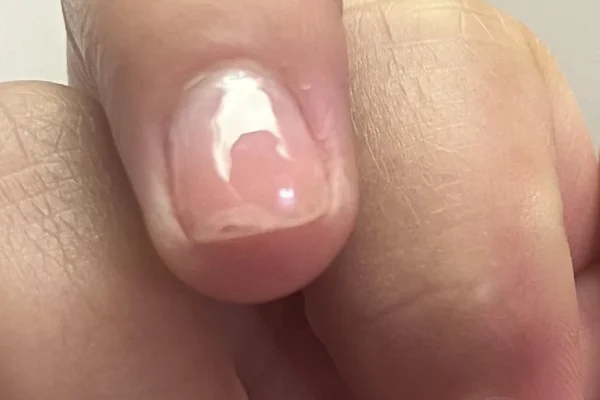
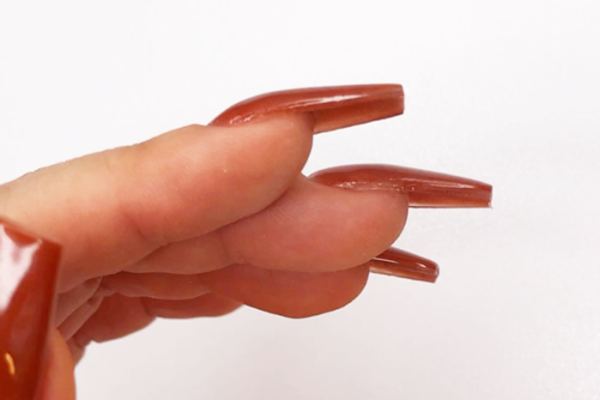
This issue occurs when the entire gel layer separates from the natural nail without breaking apart.
It often looks like:
This indicates that the bonding layer did not properly attach to the nail plate.
The most common reason gel peels off completely is inadequate preparation.
The natural nail surface contains:
If these are not properly removed, the base coat cannot bond correctly.
Preparation must be thorough to create a clean bonding surface.
For strong adhesion at the foundation, you should try OBB Gel product — Adhesive Base Coat.
Base coat is the layer responsible for anchoring the entire gel system.
If it is applied incorrectly, the entire structure may fail.
Common issues include:
A thin, even bonding layer is essential for proper adhesion.
When the nail bends too much, the gel layer may lose its grip and detach completely.
This often happens when:
Builder gel reinforces the nail and prevents excessive movement.
For improved retention and structural balance, you should try OBB Gel product — Builder Clear Gel.
Mixing products from different brands can cause adhesion problems.
Different products may have:
When these layers do not work together, the gel may detach as one piece.
If you want a system designed for compatibility and consistent performance, you should try OBB Gel products available at obbgel.com.
If the gel is not fully cured, it cannot form a strong bond.
This may result in:
Curing must be done with:
Modern TPO-free gel systems are designed for balanced curing, but technique still matters.
If the nail surface is too smooth, the base coat may not grip effectively.
A properly prepared nail should have a slightly textured surface to allow bonding.
Without this, the gel may slide off the nail plate.
When extensions are involved, poor bonding can cause the entire structure to detach.
If the tip is not securely attached, the gel layer may lift together with it.
For secure bonding when applying soft gel tips, you should try OBB Gel product — Extend Glue Gel.
Once bonded, builder gel reinforces the structure and prevents separation.
Top coat helps protect the edges of the gel structure.
If the free edge is not sealed properly, moisture and air can enter, weakening the bond.
For a protective seal that helps maintain retention, you should try OBB Gel product — Crystal Top Coat.
When gel peels off in one piece, it means the system did not function as intended.
A complete gel system relies on:
If one layer fails, the entire system can detach.
Professional nail technicians prevent this issue by:
Each step strengthens the bond between the gel and the nail.
Modern systems are designed to balance:
When built as soak-off, HEMA-free, and TPO-free systems, they provide strong retention while still allowing safe removal.
This balance reduces the chance of full-layer peeling.
If gel nails peel off in one piece, it is a clear sign that the bonding layer failed.
This problem is preventable by focusing on:
A well-built gel system should remain secure throughout wear and only be removed intentionally.
Subscribe now to keep reading and get access to the full archive.