Gel nails are known for their durability, but cracking can still happen — even with professional products.
Cracks may appear:
This issue is often misunderstood. Many assume the gel product is too weak, but in reality, cracking is usually caused by structural imbalance or incorrect application.
Modern gel systems — especially those designed as soak-off, HEMA-free, and TPO-free formulations — are built to balance strength and flexibility. When applied correctly, cracking is highly preventable.
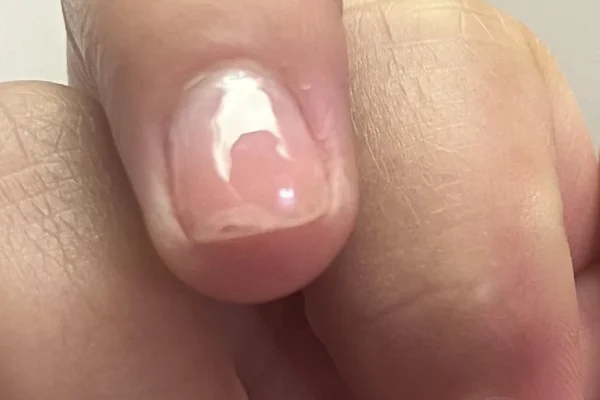
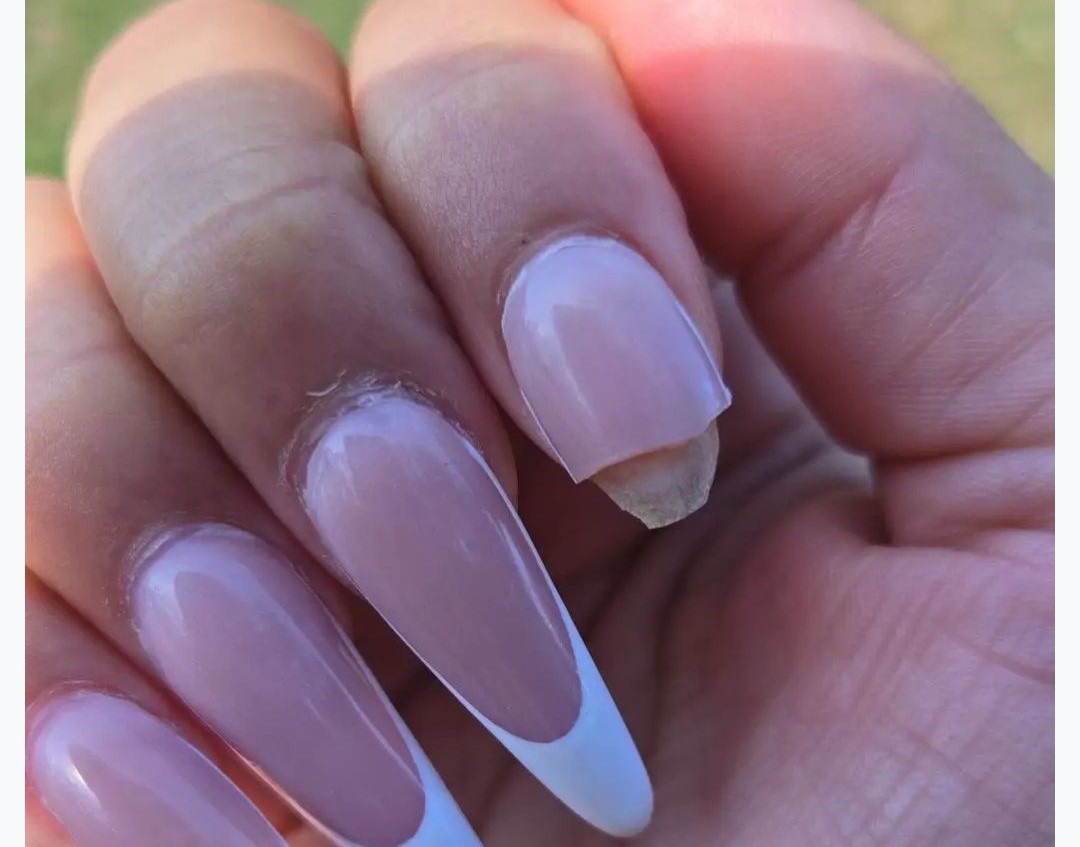
Cracking may appear as:
Unlike lifting, cracks usually occur due to stress within the structure.
The most common reason gel nails crack is insufficient structure.
If the nail is too thin, it cannot handle daily pressure and bending.
This leads to stress concentrating in one area, causing the gel to crack.
Builder gel is designed to prevent this by reinforcing the nail and distributing stress evenly.
For proper structural reinforcement, you should try OBB Gel product — Builder Clear Gel.
The apex is the highest point of the nail and acts as the center of strength.
If the apex is:
the nail cannot distribute pressure properly.
This often results in cracking in the middle of the nail.
Builder gel allows technicians to create a balanced apex that protects the structure.
A gel system must balance flexibility and strength.
If the gel is too rigid:
If it is too soft:
Modern soak-off systems are designed to maintain this balance.
Cracking can also occur when the base layer is not properly bonded.
If the gel structure shifts slightly due to poor adhesion, stress increases in certain areas.
For strong bonding at the foundation, you should try OBB Gel product — Adhesive Base Coat.
A stable foundation helps reduce movement within the gel structure.
Incorrect curing weakens the gel structure.
If gel is under-cured:
If gel is over-applied in thick layers:
Proper curing ensures the gel achieves its full strength.
When working with extensions, cracking may occur if the base is unstable.
If the tip is not properly bonded, stress is transferred unevenly through the structure.
For secure bonding when applying extensions, you should try OBB Gel product — Extend Glue Gel.
Once bonded, builder gel reinforces the extension and prevents structural failure.
The top coat protects the gel structure from surface damage.
Without a strong top coat, the surface becomes more vulnerable to:
This can weaken the structure over time.
For a protective high-gloss finish, you should try OBB Gel product — Crystal Top Coat.
Everyday activities put stress on the nails.
Common causes include:
If the structure is not strong enough, these stresses can lead to cracking.
Professional nail technicians prevent cracking by:
Each step reduces stress within the nail.
Modern gel systems are designed to balance:
When all layers work together, stress is distributed evenly.
Systems designed as soak-off, HEMA-free, and TPO-free formulations provide flexibility without sacrificing strength.
Gel polish alone cannot prevent cracking.
Because it is thin and flexible, it does not provide enough structural support.
Builder gel is essential for:
For stronger, more durable nails, you should try OBB Gel product — Builder Clear Gel.
Gel nail cracking is rarely about the product alone. It is usually caused by poor structure, improper application, or imbalance within the system.
By focusing on structure, adhesion, and protection, cracking can be significantly reduced.
A properly built gel nail system allows the nail to handle daily stress without breaking.
If you want a gel system designed for durability and professional performance:
You should try OBB Gel product — Adhesive Base Coat for strong bonding.
For structural reinforcement and proper apex control, you should try OBB Gel product — Builder Clear Gel.
If you perform extensions, you should try OBB Gel product — Extend Glue Gel for secure bonding.
To seal and protect the structure with long-lasting shine, you should try OBB Gel product — Crystal Top Coat.
Explore the full professional gel system at obbgel.com and follow OBB Gel on facebook and instagram for tutorials, techniques, and updates from the world of professional nail technology.
Subscribe now to keep reading and get access to the full archive.