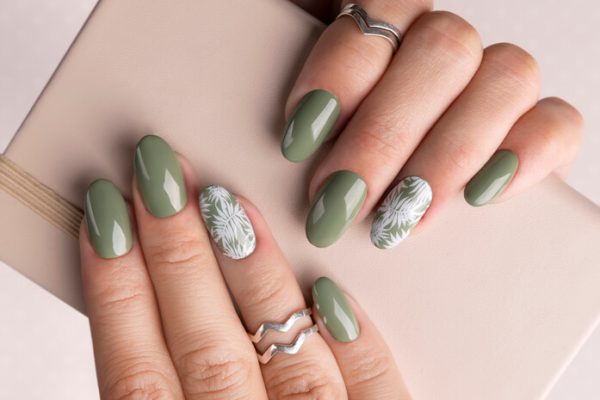
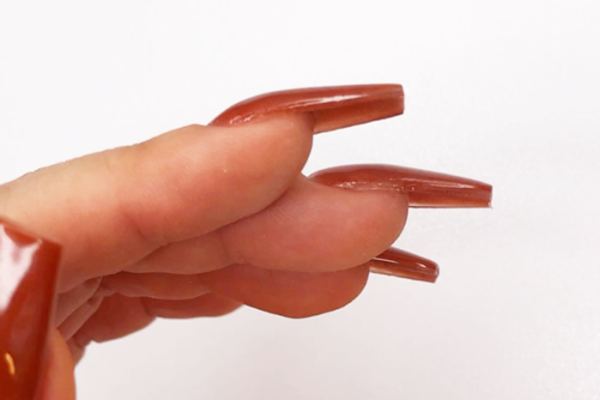
When choosing a nail enhancement system, two of the most common options are gel nails and acrylic nails.
Both are widely used in professional nail services and can create long, durable, and attractive nails. However, they differ significantly in how they are applied, how they feel, and how they perform over time.
Understanding the differences helps clients and technicians choose the best option based on nail type, lifestyle, and desired results.
In modern nail technology — especially with soak-off, HEMA-free, and TPO-free gel systems — gel nails are becoming increasingly popular due to their balance of flexibility and durability.
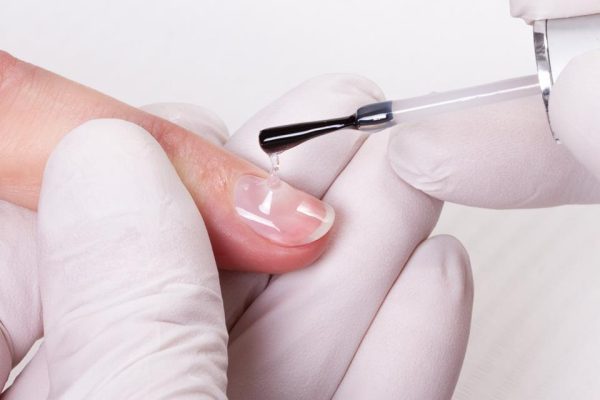
Gel nails are created using gel-based products that cure under a UV or LED lamp.
A typical gel system includes:
Gel nails are known for:
For structural reinforcement in a professional gel system, you should try OBB Gel product — Builder Clear Gel.
Acrylic nails are created by mixing a liquid monomer with a powder polymer.
This mixture hardens in the air to form a rigid structure.
Acrylic nails are known for:
However, they require more filing and shaping during application and removal.
One of the biggest differences between gel and acrylic is flexibility.
Flexibility helps reduce cracking and lifting.
Gel nails typically provide a more natural look.
They are:
Acrylic nails can sometimes appear thicker and less natural if not shaped carefully.
For a high-gloss, smooth finish, you should try OBB Gel product — Crystal Top Coat.
Gel systems allow more time for precision because curing happens under the lamp.
Modern soak-off gel systems are designed to balance durability with safer removal.
Acrylic application involves strong-smelling monomers.
Gel systems:
This is one reason many salons are transitioning to gel-based systems.
Acrylic nails are known for maximum rigidity, making them suitable for extreme lengths.
However, builder gel systems provide a more balanced structure by combining strength with flexibility.
For structural reinforcement with controlled flexibility, you should try OBB Gel product — Builder Clear Gel.
Both systems can create nail extensions.
In gel systems:
For secure bonding when applying extensions, you should try OBB Gel product — Extend Glue Gel.
This allows extensions to become part of a flexible, balanced system.
The nail industry is gradually shifting toward gel systems because they offer:
Modern systems designed as HEMA-free and TPO-free formulations also align with evolving formulation standards.
Gel nails work best when applied as a complete system.
A structured gel system includes:
Each layer contributes to adhesion, structure, and protection.
For strong bonding at the foundation, you should try OBB Gel product — Adhesive Base Coat.
Gel nails are ideal when:
Acrylic nails may be preferred when:
Both gel nails and acrylic nails have their advantages.
Acrylic offers rigidity and strength for extreme designs. Gel offers flexibility, comfort, and a more natural finish.
Modern soak-off gel systems demonstrate that durability and nail health can coexist when the structure is designed properly.
For most everyday professional services, gel nails provide a balanced and practical solution.
Subscribe now to keep reading and get access to the full archive.