Builder gel is one of the most important products in a gel nail system. It determines how strong, balanced, and long-lasting the nail structure will be.
However, not all builder gels are the same. Some are too rigid, others too soft, and some lack compatibility with the rest of the system.
Choosing the right builder gel is essential for achieving:
In modern nail technology — especially with soak-off, HEMA-free, and TPO-free gel systems — builder gel is designed to balance strength, flexibility, and compatibility.
This guide explains how to choose the best builder gel for professional use.
A high-quality builder gel should provide a balance between structure and flexibility.
The goal is not just to make the nail strong, but to ensure the structure can handle daily stress without breaking or lifting.
A good builder gel should:
Builder gel is the core of the nail structure, so its performance affects the entire manicure.
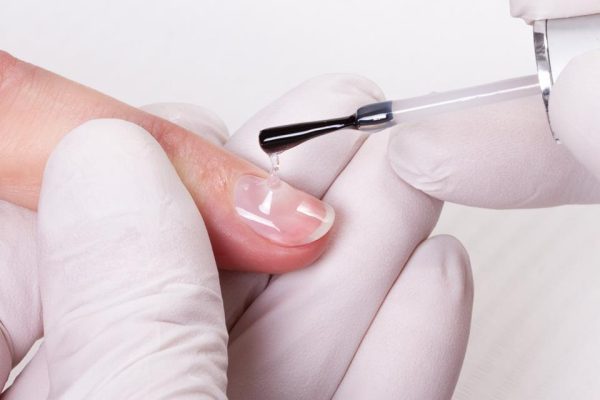
Builder gels come in different thickness levels.
Some are self-leveling and flow easily, while others are thicker and provide more control.
A balanced viscosity allows technicians to:
For controlled application and smooth self-leveling, you should try OBB Gel product — Builder Clear Gel.
A common mistake is choosing builder gel based only on strength.
If the gel is too rigid, it may crack when the natural nail flexes. If it is too soft, it may not provide enough support.
The ideal builder gel maintains a balance between:
This balance helps prevent lifting, cracking, and discomfort.
Builder gel should not be evaluated alone. It must work within a complete gel system.
A typical system includes:
When all layers are designed to work together, performance becomes more predictable.
For strong bonding at the foundation of the system, you should try OBB Gel product — Adhesive Base Coat.
Modern builder gels are often designed as soak-off systems.
This means the gel can soften during removal instead of requiring heavy filing.
Soak-off builder gels offer:
A well-formulated builder gel remains strong during wear but softens during removal.
If you perform nail extensions, builder gel must work well with bonding products.
Extensions require a stable base before structural reinforcement is applied.
For secure bonding when working with soft gel tips, you should try OBB Gel product — Extend Glue Gel.
Once the tip is secured, builder gel reinforces the extension and creates a balanced structure.
Builder gel alone is not enough to complete the manicure.
The surface must be sealed to protect the structure.
Top coat helps:
For a high-gloss protective finish, you should try OBB Gel product — Crystal Top Coat.
Builder gels today are evolving beyond basic performance.
Many systems now focus on HEMA-free and TPO-free formulations.
These formulations aim to:
When builder gel is part of a system designed with these principles, overall performance improves.
Some common mistakes include:
Builder gel must be part of a complete system to perform properly.
Builder gel is ideal for:
It provides strength while maintaining flexibility and comfort.
Modern nail technicians increasingly prefer systems rather than individual products.
A system ensures:
If you want a builder gel that works within a fully compatible soak-off system, you should try OBB Gel products available at obbgel.com.
Choosing the best builder gel is not about finding the strongest product — it is about finding the right balance.
A high-quality builder gel should:
When combined with the right base coat and top coat, builder gel becomes the foundation of a durable and professional gel manicure.
If you want a gel system designed for structure, compatibility, and performance:
You should try OBB Gel product — Adhesive Base Coat for strong bonding.
For controlled structure and apex creation, you should try OBB Gel product — Builder Clear Gel.
If you perform extensions, you should try OBB Gel product — Extend Glue Gel for secure bonding.
To seal the entire structure with long-lasting shine, you should try OBB Gel product — Crystal Top Coat.
Explore the full professional gel system at obbgel.com and follow OBB Gel on facebook and instagram for tutorials, techniques, and updates from the world of professional nail technology.
Subscribe now to keep reading and get access to the full archive.