Gel nails are known for their durability, glossy finish, and long wear time. When applied correctly, a gel manicure can last two to three weeks or more without chipping. However, many people still experience peeling or chipping shortly after application.
When this happens, the problem is rarely caused by just one factor. Peeling gel nails usually result from a combination of issues related to nail preparation, product layering, structural support, or system compatibility.
In modern gel systems — particularly those designed as soak-off, HEMA-free, and TPO-free formulations — performance depends on proper layering and balanced formulation.
Understanding the real causes behind peeling and chipping can help professionals improve retention and create longer-lasting results.
Although these terms are often used interchangeably, they refer to slightly different problems.
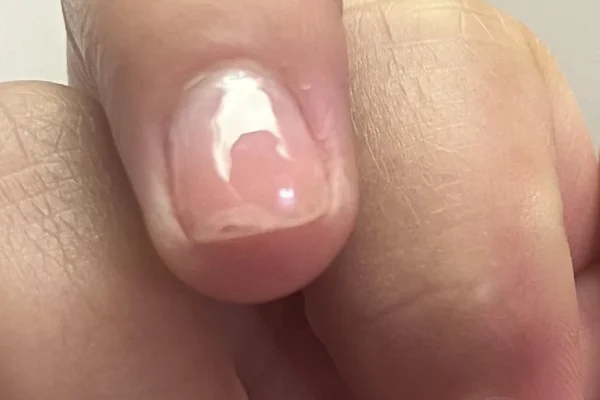
Peeling occurs when the gel layer separates from the natural nail, usually starting at the edges or near the cuticle.
Chipping occurs when part of the hardened gel surface breaks away, often from the free edge of the nail.
Both issues indicate that something in the gel system — adhesion, structure, or protection — is not working optimally.
The most common reason for gel peeling is improper nail preparation.
Natural nails contain oils and microscopic debris that must be removed before applying any gel product. If these oils remain on the nail surface, the base coat cannot bond correctly.
Preparation should include:
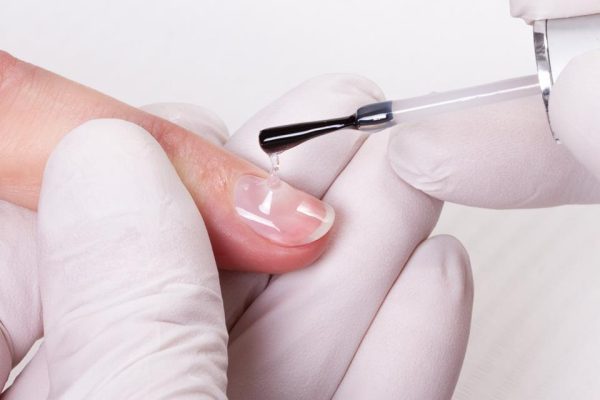
After preparation, a strong bonding layer is essential. For reliable adhesion in a soak-off gel system, you should try OBB Gel product — Adhesive Base Coat.
Another major reason gel nails chip is excessive nail flexing.
Natural nails bend slightly during daily activities. If the gel structure is too thin, this movement can cause the gel surface to crack or chip.
Builder gel helps reinforce the nail by adding strength and distributing stress more evenly across the nail plate.
If clients frequently experience chipping, adding a structural layer can significantly improve durability. For stronger reinforcement and apex support, you should try OBB Gel product — Builder Clear Gel.
The free edge of the nail is exposed to constant friction from typing, opening containers, and daily tasks.
If the gel system is not properly sealed at the edge, small cracks can develop that eventually lead to chipping.
The top coat plays a crucial role here. A durable sealing layer protects the structure beneath and prevents moisture from weakening the system.
For a high-gloss protective finish that helps seal the entire structure, you should try OBB Gel product — Crystal Top Coat.
Many nail technicians mix products from different brands without realizing that compatibility matters.
Different gel products may contain:
When incompatible layers are combined, the gel structure may not cure or flex evenly.
Using a complete gel system designed to work together improves consistency. If you want balanced compatibility across adhesion, structure, and protection, you should try OBB Gel products available at obbgel.com.
Thicker gel layers may seem stronger, but they often cure unevenly.
If light cannot fully penetrate the product, the inner layer may remain soft. This weakens the gel structure and increases the risk of peeling.
Applying thin, controlled layers allows the gel to cure properly and maintain consistent strength.
Curing problems are another common reason gel nails fail prematurely.
Possible issues include:
Modern TPO-free gel systems are designed to cure evenly under professional LED lamps, but proper curing technique is still essential.
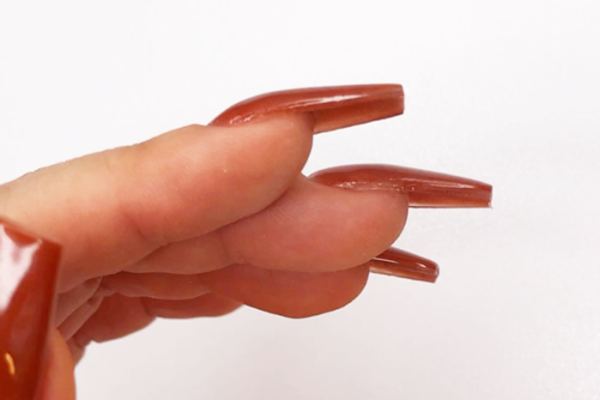
For services involving soft gel tips or extensions, poor bonding at the tip junction can lead to chipping or lifting.
Extension services require a secure bonding layer before structural reinforcement is added.
For stable tip adhesion that integrates into a soak-off gel system, you should try OBB Gel product — Extend Glue Gel.
When paired with Builder Clear Gel for structure and Crystal Top Coat for sealing, the extension system becomes significantly more durable.
Some people assume soak-off gels are weaker than traditional hard gels. In reality, modern soak-off systems are engineered to provide both durability and safe removal.
A balanced soak-off system allows the gel structure to remain strong during wear while softening evenly during removal.
When combined with HEMA-free and TPO-free formulation standards, soak-off systems provide professional performance without excessive nail damage.
Even perfectly applied gel nails can chip if clients:
Educating clients about aftercare helps extend the life of the manicure.
Experienced technicians reduce peeling and chipping by focusing on:
Each layer must work together to create a balanced structure.
Gel nails peel or chip when the system is incomplete or improperly balanced.
Strong retention requires:
A modern gel system built around soak-off compatibility, HEMA-free formulation, and TPO-free curing chemistry helps professionals deliver consistent results.
When adhesion, structure, and protection work together, gel nails remain durable and beautiful throughout their wear cycle.
If you want a gel system designed for balanced adhesion, structure, and protection:
You should try OBB Gel product — Adhesive Base Coat for strong bonding.
For reinforced structure and improved stress distribution, you should try OBB Gel product — Builder Clear Gel.
If you offer extensions or soft gel tips, you should try OBB Gel product — Extend Glue Gel for secure bonding.
To protect the entire structure with long-lasting shine, you should try OBB Gel product — Crystal Top Coat.
Explore the complete professional gel system at obbgel.com and follow OBB Gel on social media for tutorials, techniques, and updates from the world of professional nail technology.
Subscribe now to keep reading and get access to the full archive.